
Devlog · Episode 20
The cards: how I designed their rules
The cards have rules that are easy to read and hard to master. Here is how I got there and how each card was drawn.
A good card makes sense in ten seconds. If you have to read a paragraph to know what it does, it has already failed. That was the yardstick I used to design the rules of the cards in the game.
Rules first, then art
I started on paper. Before any drawing, I wrote what each card does and tested the idea with no decoration. Only once the rule worked did I think about the illustration. Pretty art on a bad rule saves nothing.
That forced me to stay lean. Each effect fits in one short sentence, with no hidden exception. If I needed a footnote to explain it, the card went back to the drawing board.
What is on a card
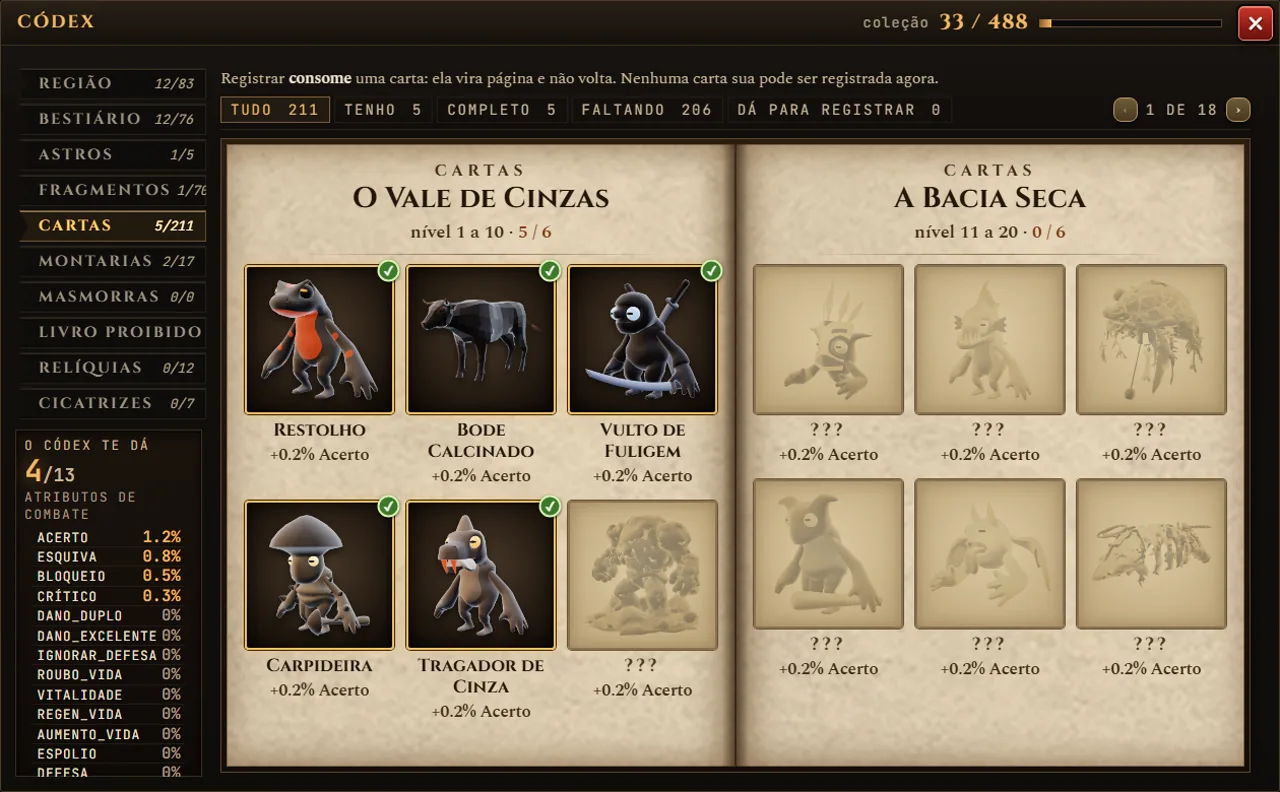
Each card has a creature, a name and an effect. The illustration shows the creature in its own surroundings, and the frame shows the family it belongs to. You can recognize a card at a glance.
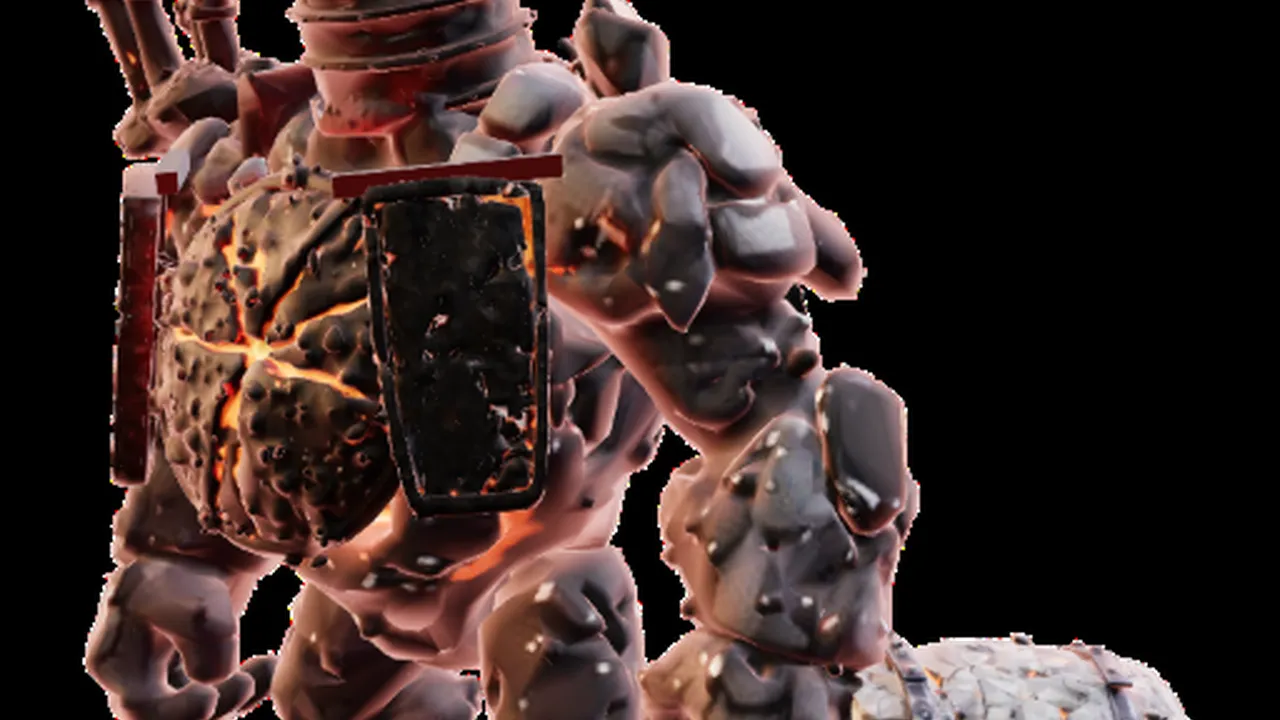
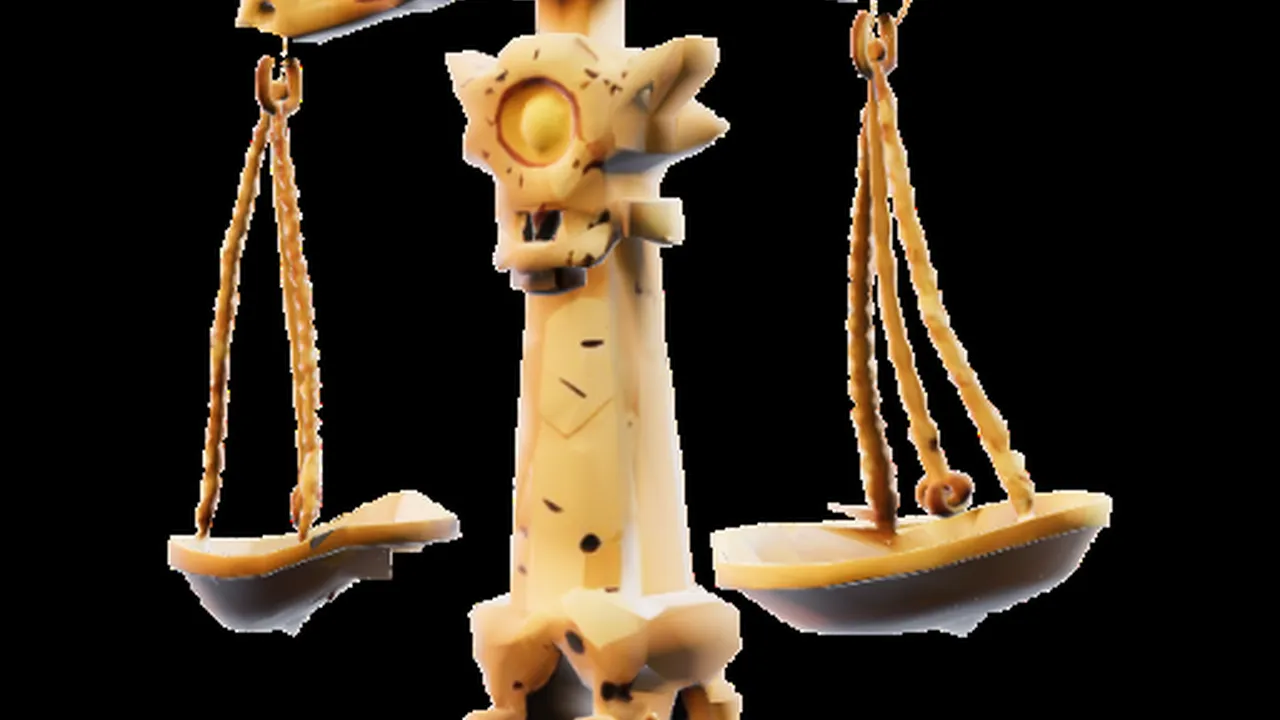
The card family also helps you build a deck. Cards from the same family work well together, and you can tell by the color and the drawing of the frame, without opening any table.
Test matches
I played many test matches alone, against myself. Some cards broke the game: they won too fast, or made the match dull. I redid those until they felt fair.
Testing alone is dull, but honest. A card cannot fool me. If it breaks the game with me, it breaks it with everyone. That filter spared you from a lot of bad cards.
Another concern was reading during a match. In the middle of a game you have no time for a novel. The name has to jump out, the effect has to be in clear type, and the illustration must not cover any of it. I adjusted the position of every element several times until the card was readable from afar.
How it plays now
Today you open a new card, understand what it does right away and decide whether it goes in your deck. No manual. That was the idea from the first sketch on paper.