
Devlog · Episode 19
The Bestiary: one page for every creature
Every creature in the world got a page of its own. Here is how I organized the Bestiary and why it is worth a visit.
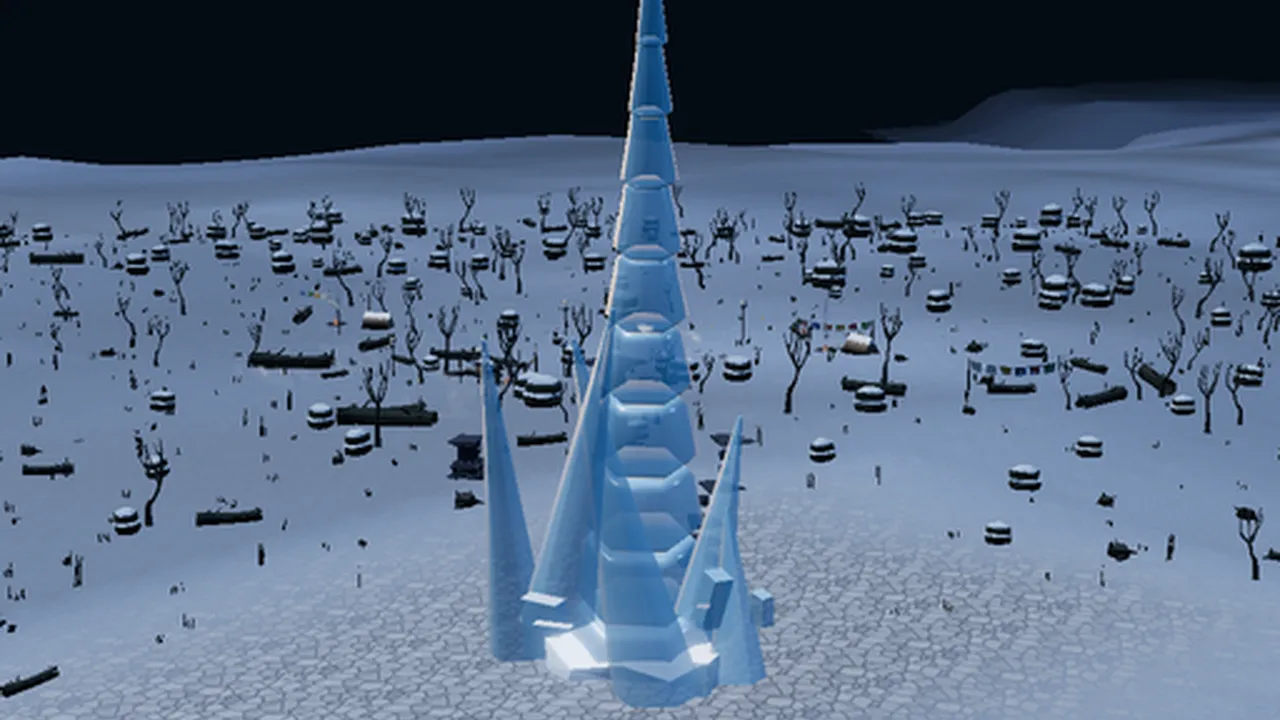
I wanted a place to keep every creature you meet. I called it the Bestiary. It is a book with one page for each creature, and it only fills up if you really explore the world.
What each page holds
Each page shows the creature, where it lives and one sentence about who it is. That is all. I did not add heavy numbers, because the book is for looking and wondering, not for doing math.
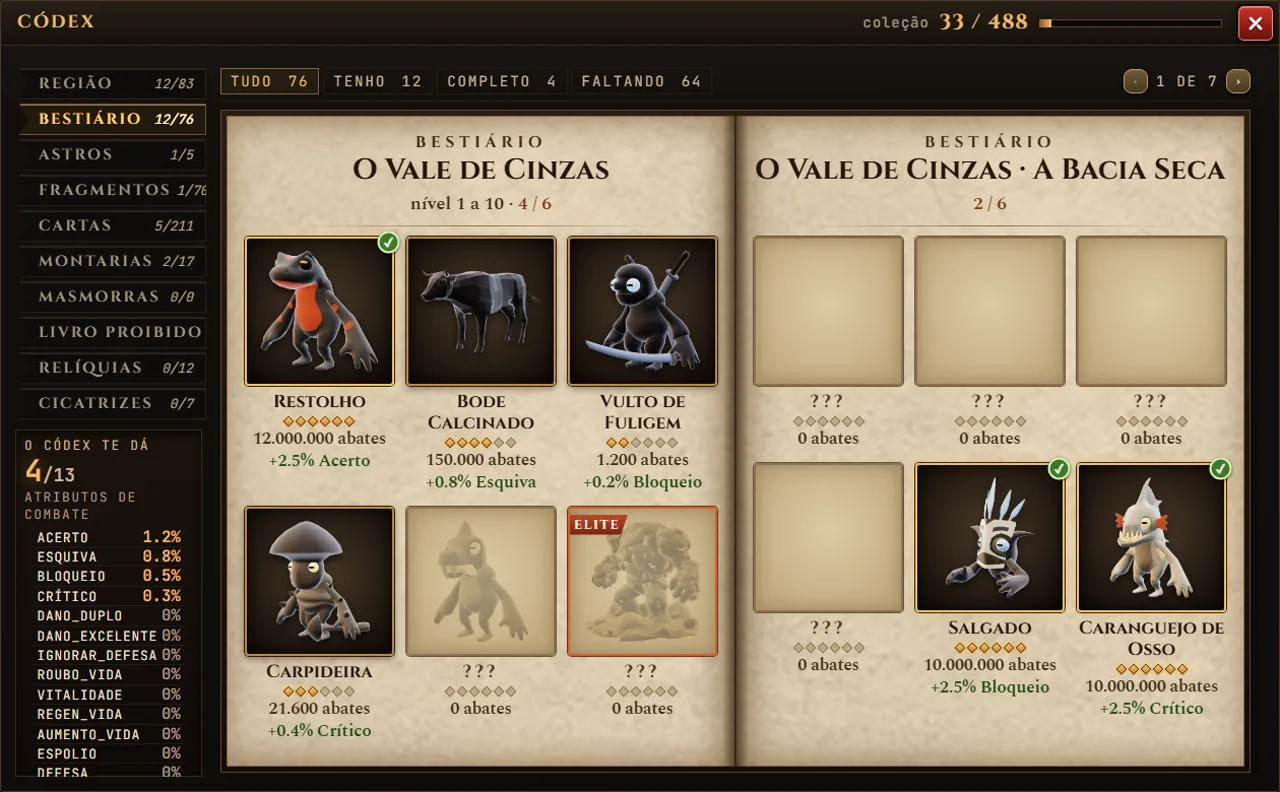
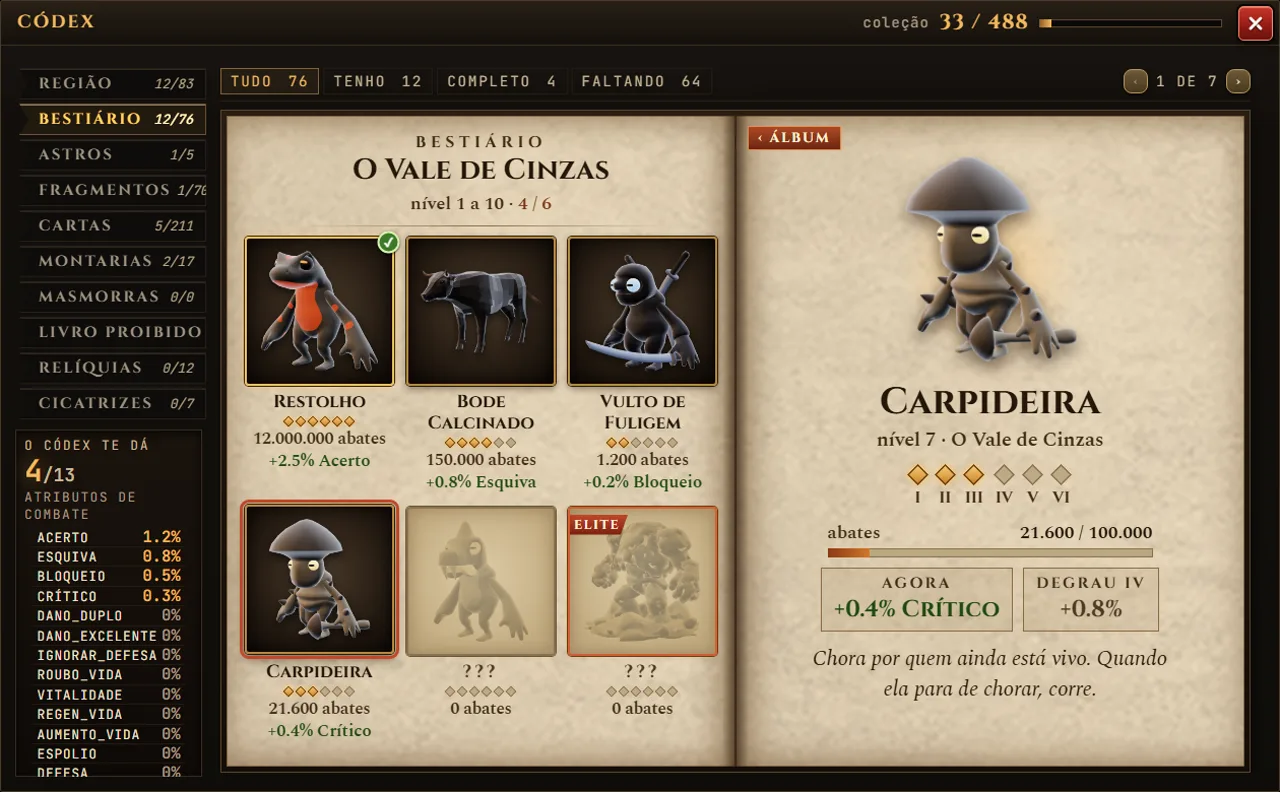
The sentence for each creature took the longest. Just one line, but it has to say what the creature is and leave a hint of mystery. I wrote, erased and rewrote until it sounded like something a traveler would jot down in a notebook.
The book fills as you walk
At first the pages are empty. When you meet a new creature, its page opens. It is a small reward, but a good one. You start wanting to see what is still missing.
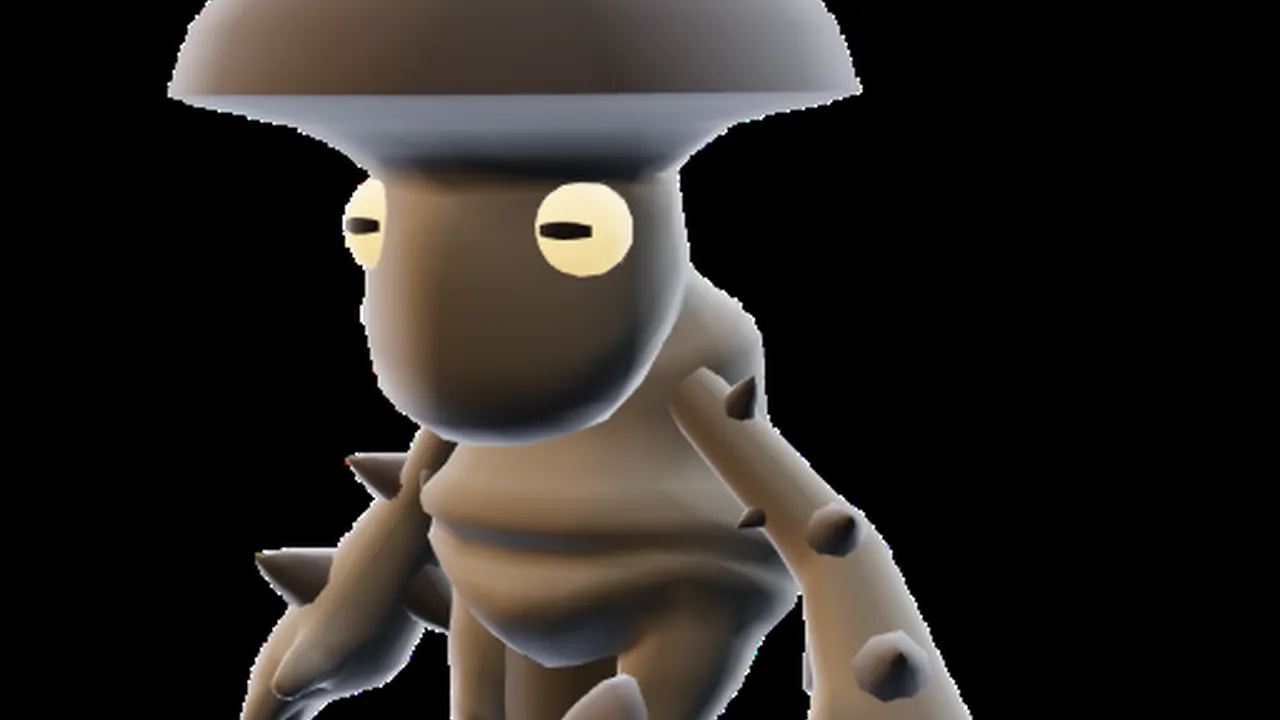

This changes how you explore. You do not only hunt the creature that gives a reward. You also wonder what lives in that corner of the map, and go check.
I also thought about whoever is just arriving. An empty page does not scare, it invites. The blank space says there is something waiting there to be discovered, and that is worth more than a full list handed over for free on day one.
By region
The pages are grouped by the regions of the world. That way the Bestiary also works as a map of curiosities: you look at a region and see how many of its residents you have not met yet.
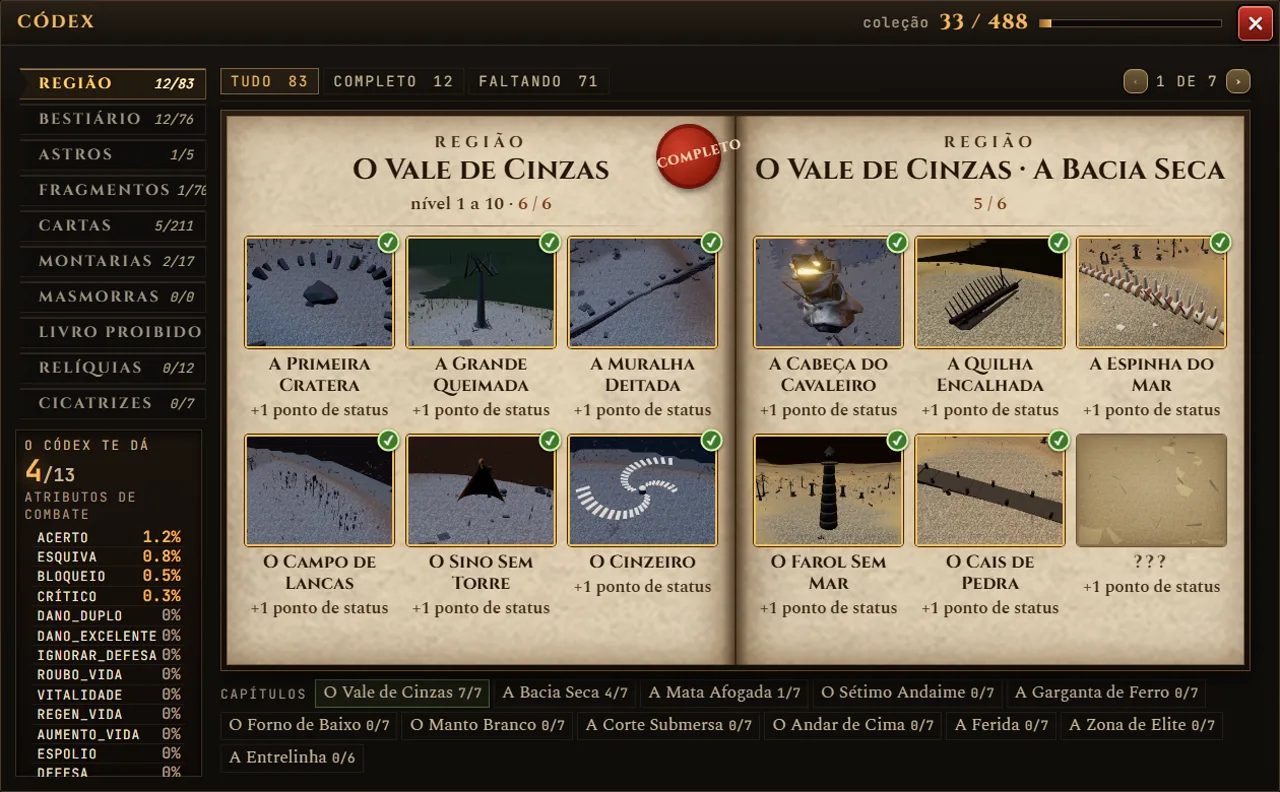
Finally, I took care of readability. The text is short and the letters are large, so it fits well on any screen. You can flip through the book quickly looking for a specific creature, or slowly, just to get lost among the pages.
How it plays now
Today I stop to look at a new creature before fighting it. I read the sentence, see where it lives and only then go in. That is what I wanted: a world with real inhabitants, and a reason to get to know them.