
Devlog · Episode 6
How the world pieces and scenery are born
A look at the game art direction: where each creature and scene comes from, and why I cut so much before anything gets in.
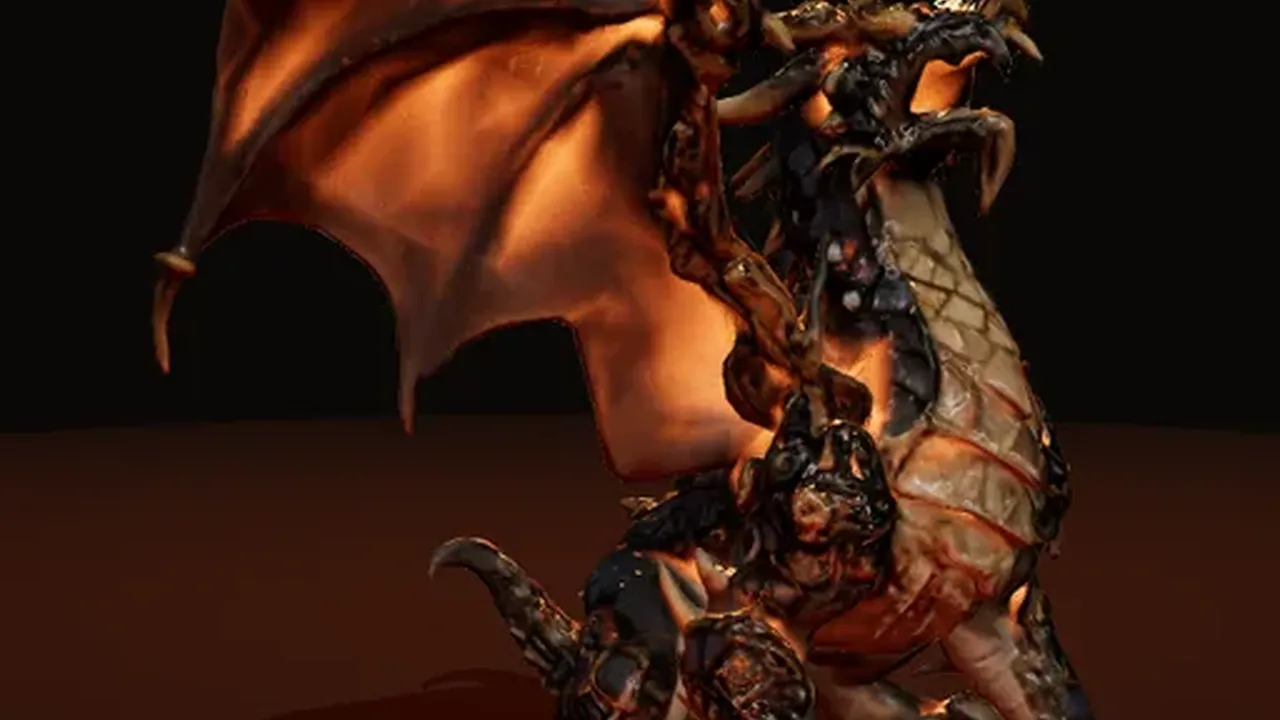
Everything starts with a sentence
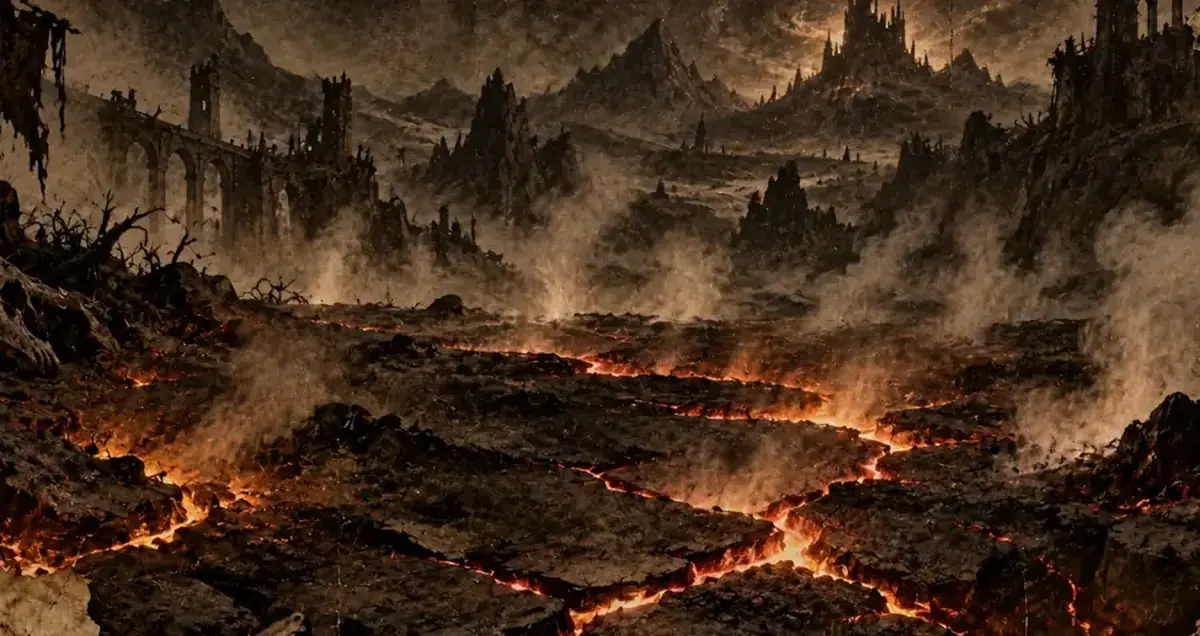
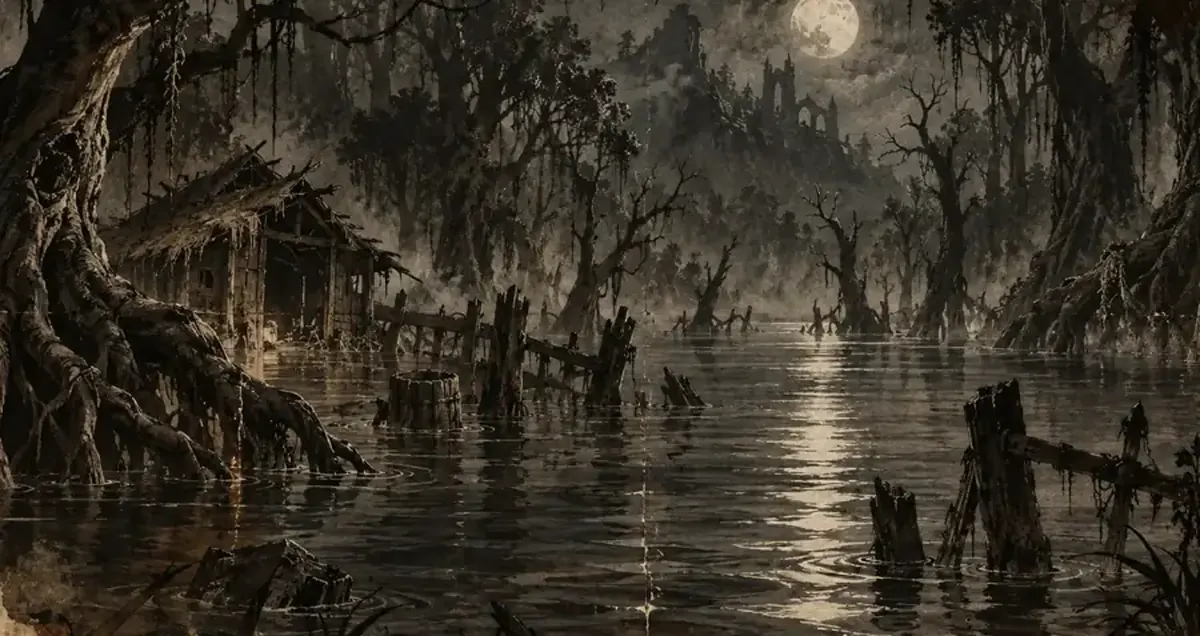
Before any piece exists, I write one sentence. Just one. Something like "a gray valley where the ash is still falling". If that sentence does not give me a picture in my head, the piece does not get made. It sounds small, but that sentence is what keeps the game from turning into a pile of pretty objects that do not belong together.
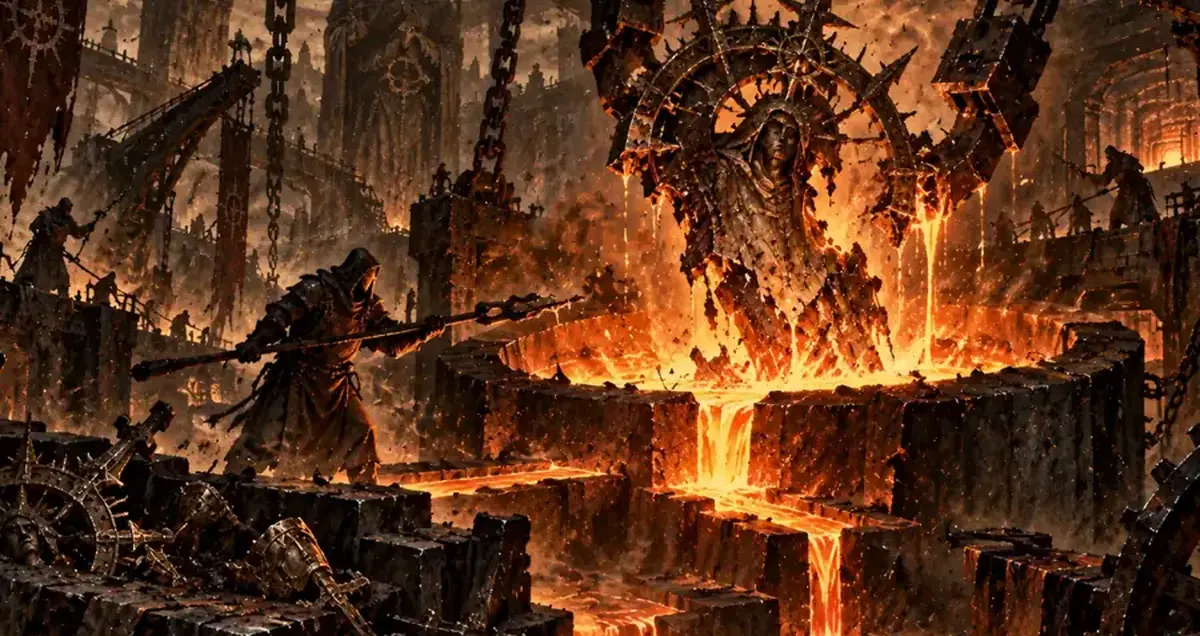
After the sentence comes the palette of each region. The valley is gray with a hint of ember. The forest is cold and wet. The furnace is nothing but soot and live fire. I pick the colors first because players feel a region through its color before they read a single name on screen.
A lot of it comes out wrong
I will not pretend it all works the first time. A lot comes out wrong. A harpoon that looked like a spiked mace. Armor that looked like a generic breastplate. A creature that stood upright like a bear when it should have crawled.
Nobody was going to complain about the polygons. Players would just feel that something was off and not know why. So I go back to the piece as many times as it takes, until the shape tells its own story.
Light, clean and tested from far away
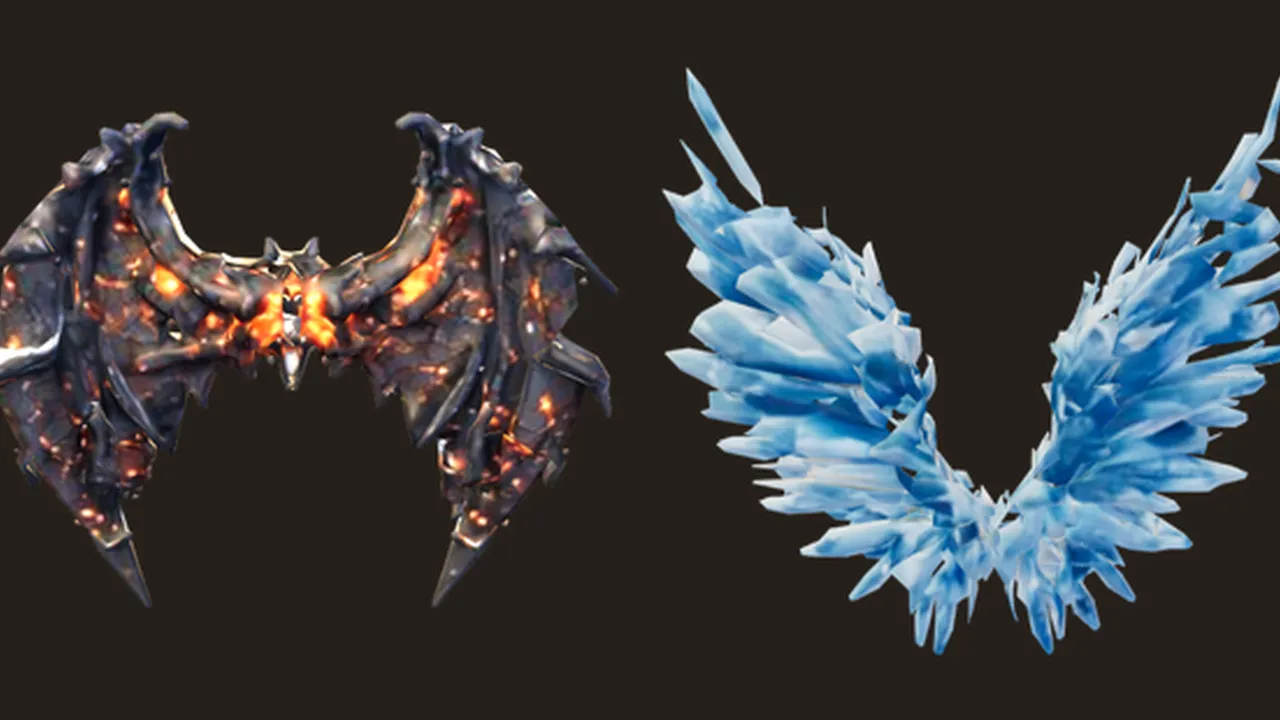
Once the shape is right, I make the piece light so the game runs well on any machine. Then I clean up the outline, because a messy silhouette turns into a smudge on screen.
Then comes the test that matters most: looking at the piece from far away. Really far. The knight sees everything from above, with the camera way up high, so a fine detail that looks great up close just disappears in practice. If a piece cannot be recognized from a distance, it goes back to the bench.
Where you see this in the game
Today, when you enter a new region, the scenery tells you where you are before any text does. The color, the shape of the ruins, the way the creatures look. Every place has its own face, and you will not mistake the furnace for the forest even with your eyes half closed.
Next episode, I will tell you how each weapon got its own way of moving.