Devlog · Episode 5
The ground of my world had thirteen centimeters of slope
My world used to be as flat as a table. Now every map has hills, valleys, ravines and a shape of its own.
Thirteen centimeters
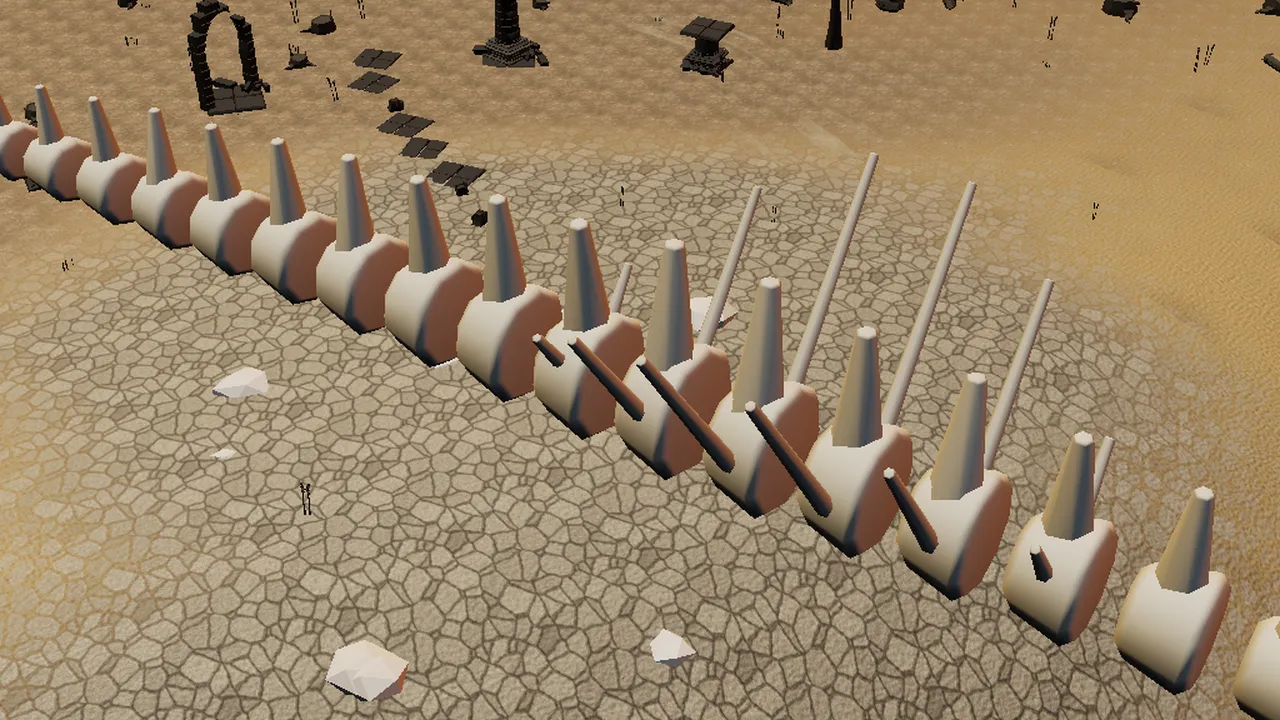
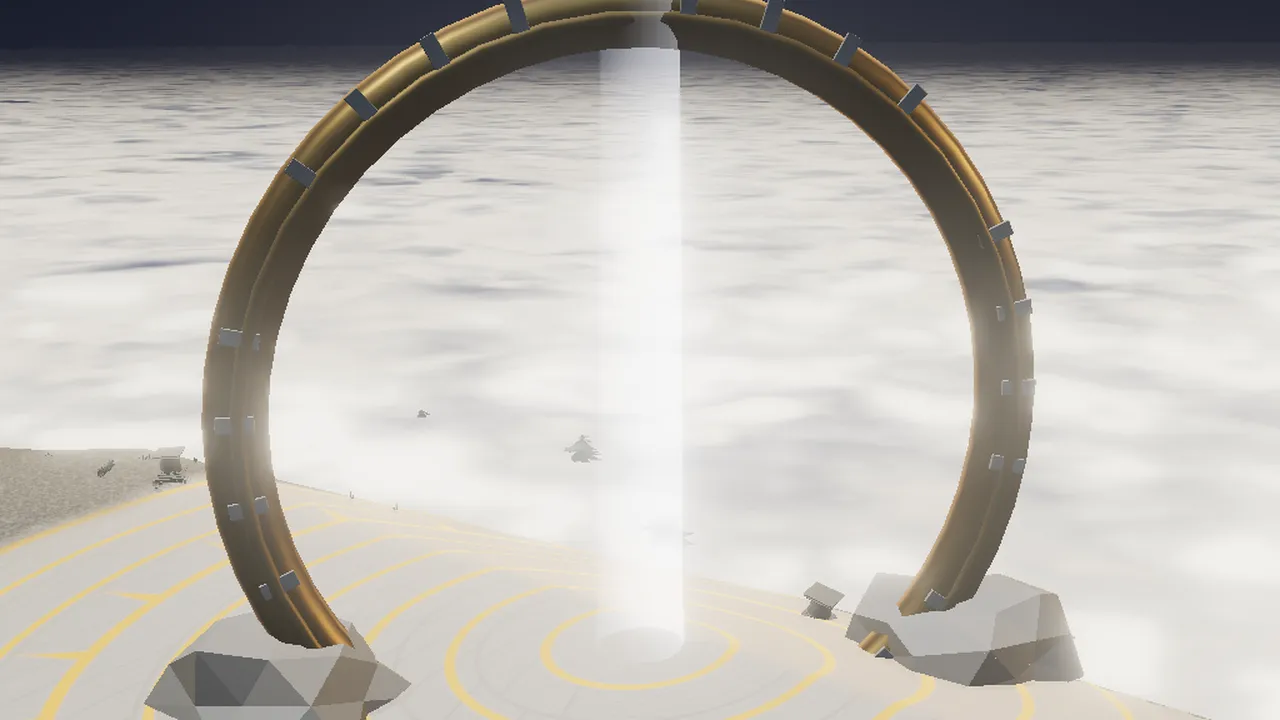
The first world was so flat that the ground varied only thirteen centimeters from one corner of the map to the other. You could walk for miles without going up or down. Everything looked like the same plain.
I measured it when I realized the whole map felt like a table. The camera had nothing to show, and the player had nothing to choose: every path was worth the same.
Every map with its own relief
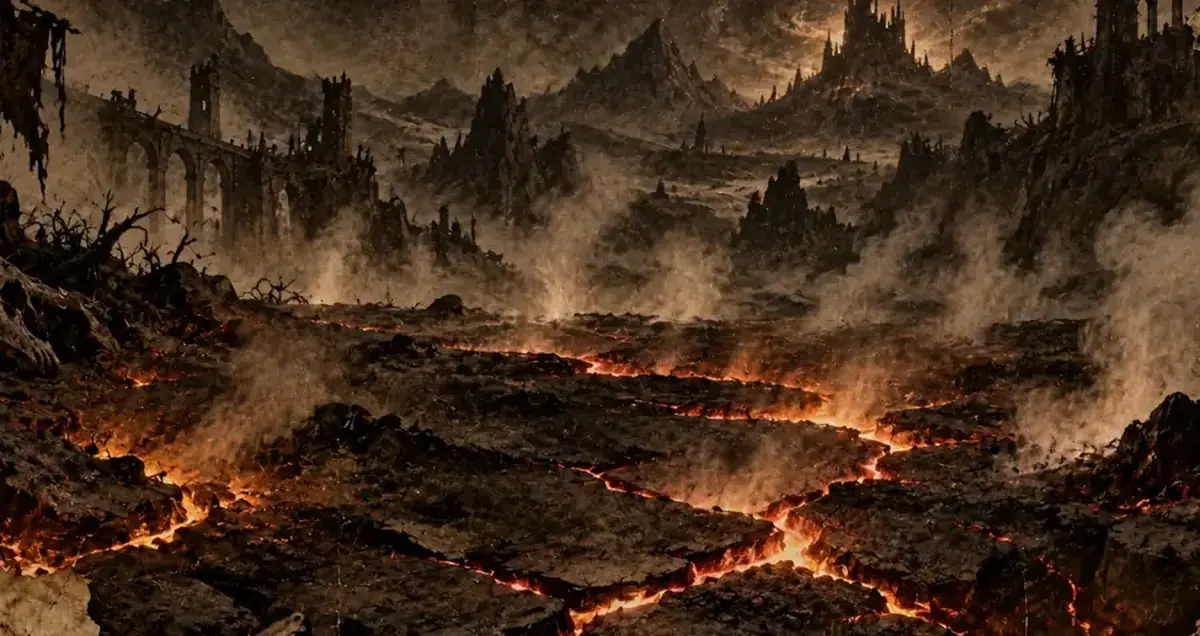
Now every map has its own relief: hills, valleys, ravines. Regions stopped looking like the same landscape in another color.
A hidden valley asks you to climb down to find out. A narrow ravine makes you walk in single file. A tall hill works as a landmark: you can see it from far away and know where you are.
Thinking of a map as a place
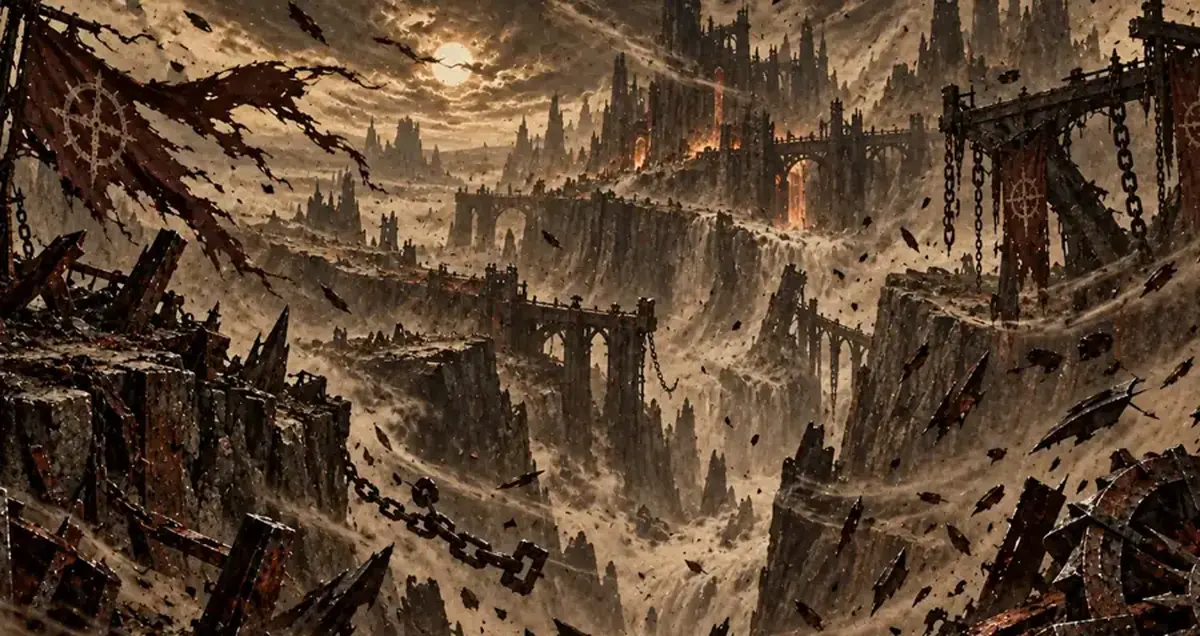
I started thinking of each map as a place, not a rug. When the ground rises, the camera changes, the light hits differently and the path asks for a choice.
That shook everything around it: where creatures stand, where a city fits, where the main path runs. Relief stopped being decoration and became part of the design.
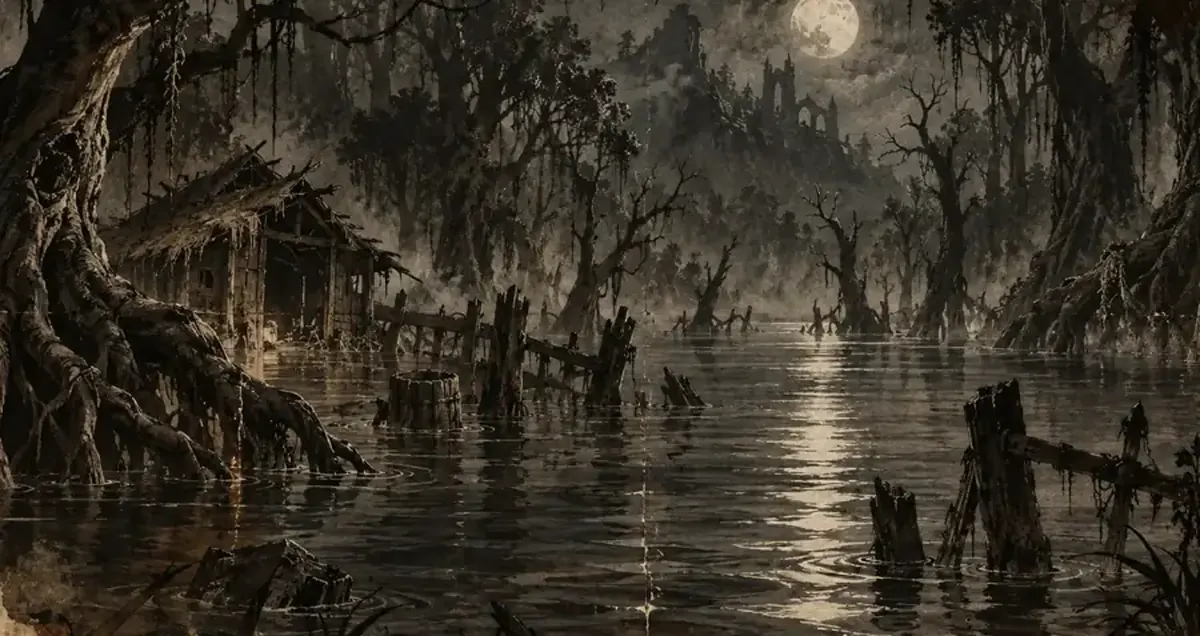
Climbing a hill and seeing what is on the other side is a feeling flat ground never gave.
The stumbles
A lot went wrong along the way. One click sent the character to the corner of the map. A foot sank into the plaza. A golden piece came out looking like a pot.
Each stumble took effort to find, because it only showed up at a certain spot on the map. I had to walk a lot, slowly, staring at the ground, to understand what was happening.
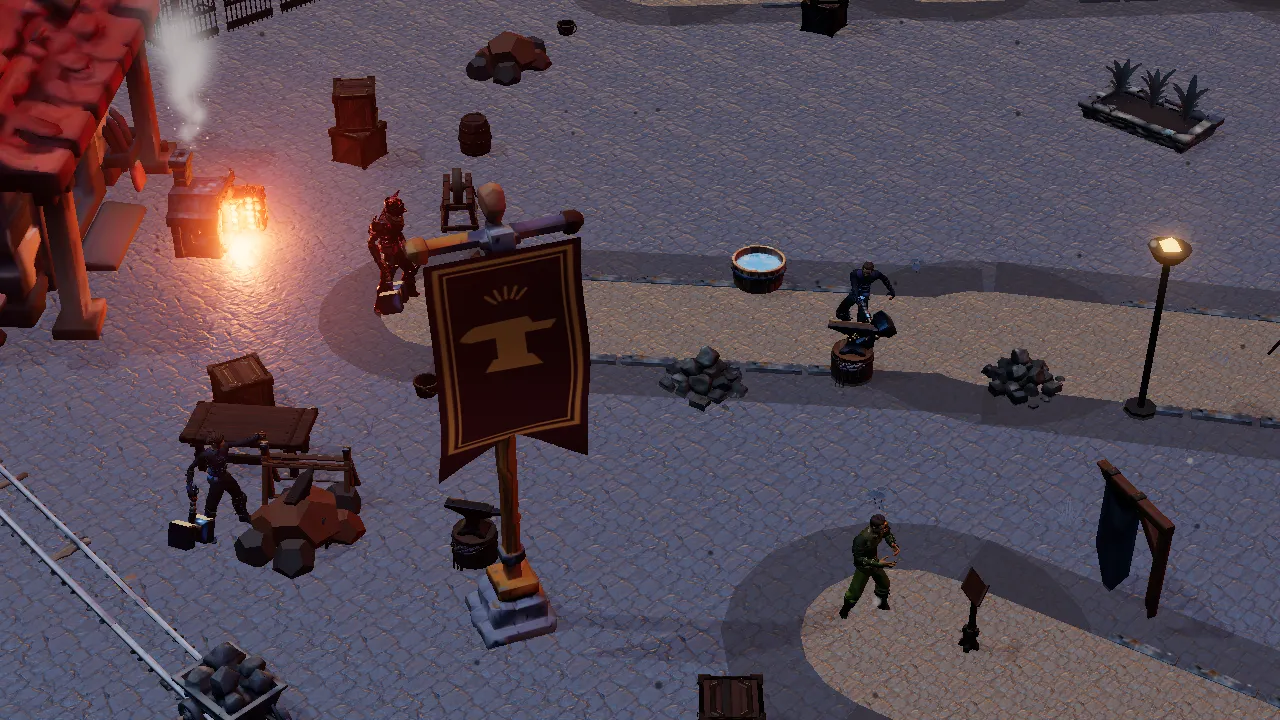
Each of those mistakes became a fix. The ground now holds your foot and the click goes where you pointed.